
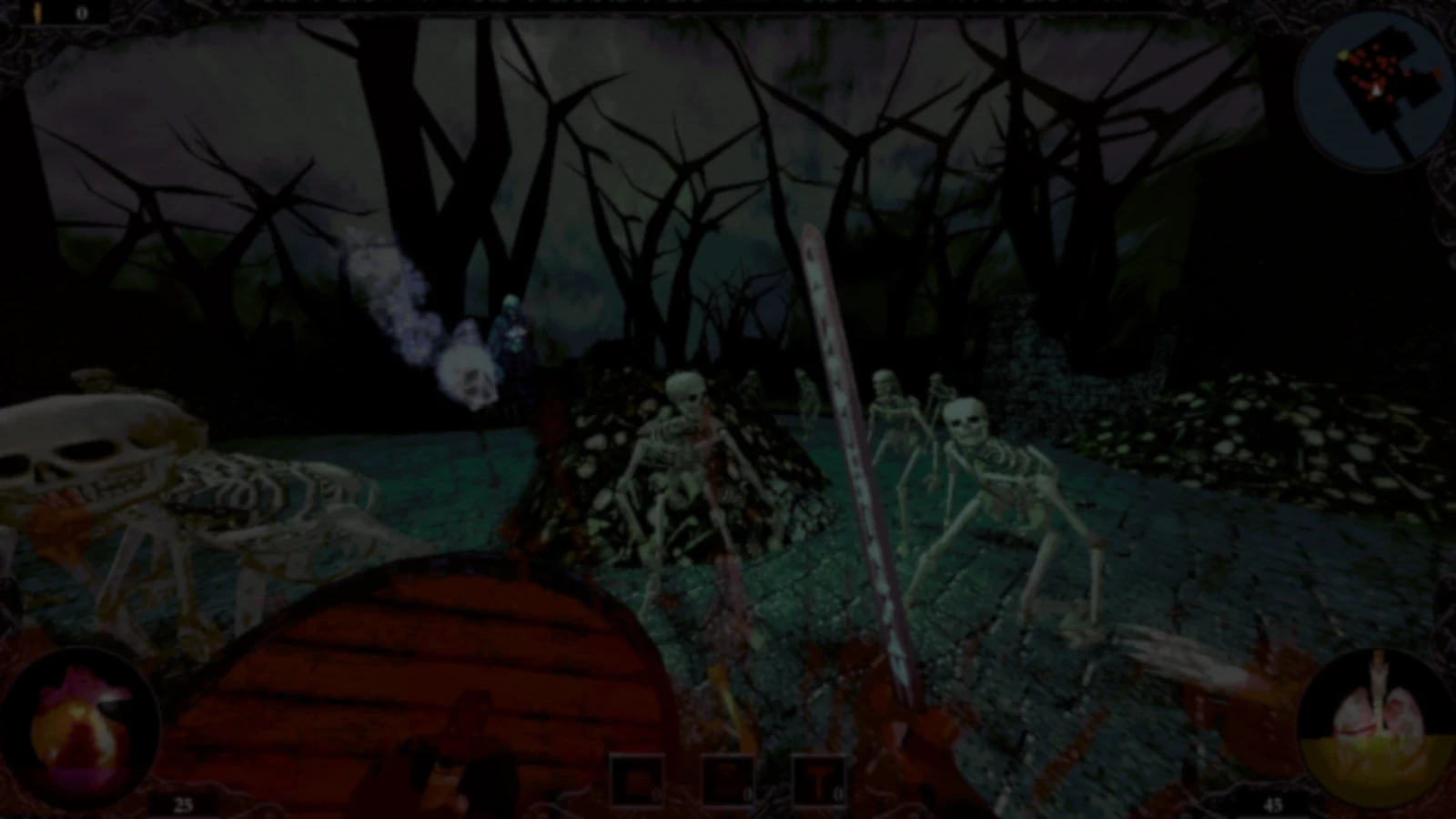
ALLFATHER builds its dungeon from rooms assembled at the start of each run. Enemies need to find the player, get through narrow doorways and make room for one another during combat.
Tommy McKay first put the assembled rooms under one NavigationRegion3D and gave each enemy a NavigationAgent3D. He added navigation links at doorways, where closed doors left gaps in the baked mesh. It worked, but baking each new layout before spawning enemies would delay the start of a run.
I rage quit NavigationMesh3D and created my own deterministic, tick based, grid navigation system.
by u/pintseeker in godot
In combat, enemies jittered when changing direction, crowded the same route to the player and struggled in narrow hallways. Their continuous steering also clashed with ALLFATHER’s deliberately stepped animations.
Tommy replaced that setup with DungeonGrid. The player still moves freely, but enemies travel between cells one meter apart. The grid comes straight from the room data the generator already has, so there is no navmesh to bake or need for raycasts to find walkable space.
Godot’s AStar3D finds routes between neighboring cells in four directions. Closing a door blocks its cells; opening it frees them. Other obstacles can change the grid during a fight too.
Enemies make movement and attack decisions on a shared tick of about 0.333 seconds. An enemy claims its next cell and crosses it in one tick. It moves toward the cell’s center every frame with move_and_slide(), so the travel stays smooth. Once a move starts, it has to finish; stopping halfway made enemies snap back.
Attacks and recovery take whole ticks too. A basic swordsman strikes for one, recovers for one and waits three more before swinging again. The player never waits for that clock: input, damage and hit reactions happen immediately.
To keep a crowd from attacking all at once, an EngagementManager gives enemies different roles. Some circle at a distance, a smaller group holds positions near the player, and only a few are allowed to swing. Tommy can adjust how many enemies fit in each group for a given dungeon.
Doorways exposed one more problem. At first, an occupied cell was blocked completely, so one enemy in a narrow doorway stopped everyone behind it from finding a path. Occupied cells now cost more to route through. Followers keep their route, wait for the next cell to clear, then move forward.
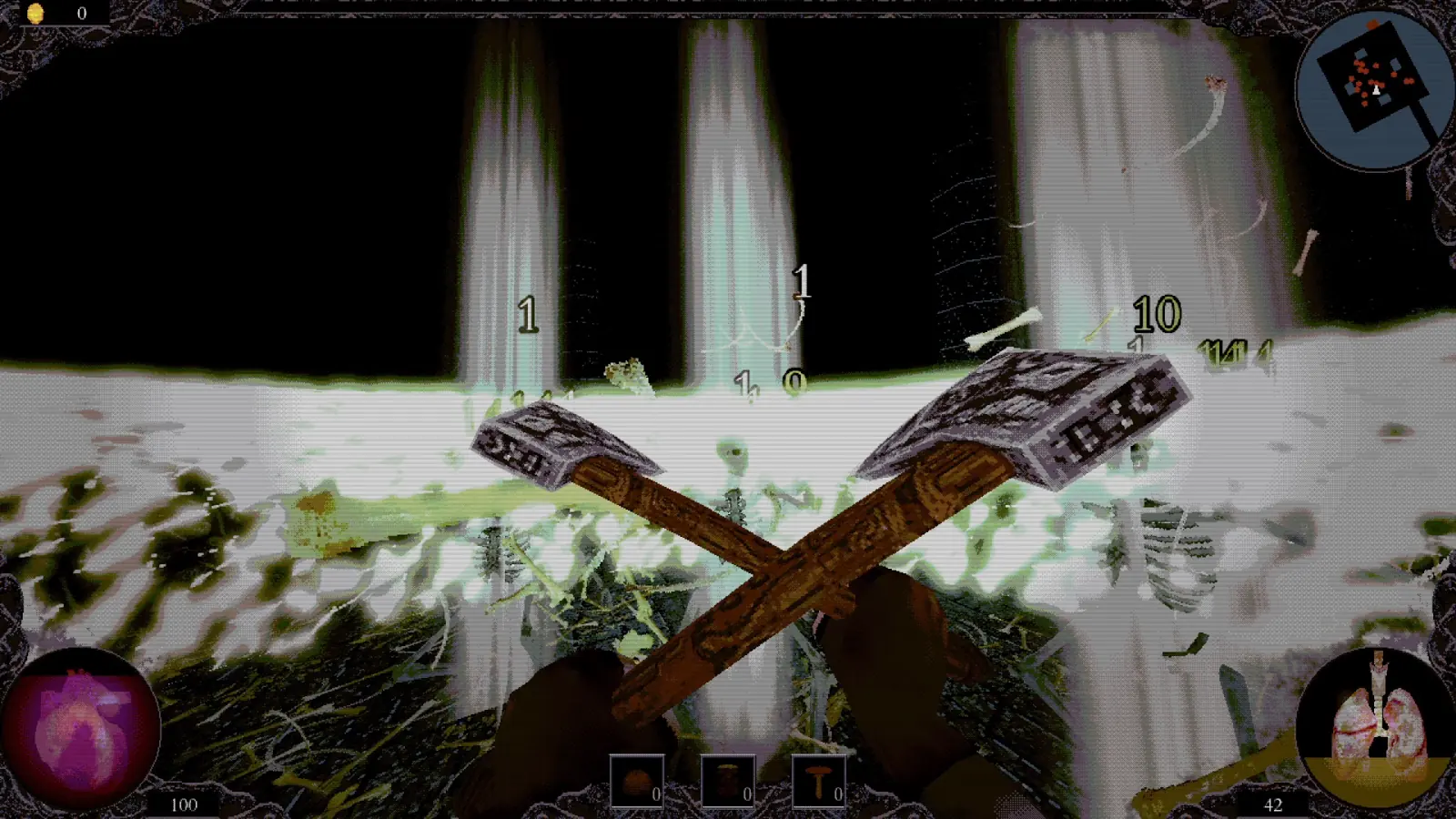
The grid supports other parts of combat too. Fire and lava make cells less attractive to path through, while one boon pulls enemies inward a cell at a time. Tommy can build those rules into the same grid that controls movement.
Godot’s navigation tools are suited to smooth steering. Tommy needed enemies whose movement, spacing and attacks followed ALLFATHER’s combat timing, and the grid gave him control over all three.
- Game: Wishlist ALLFATHER on Steam
- Original post: Tommy’s navigation showcase on Reddit
- More about the game: ALLFATHER press kit
Building a Godot game of your own?

Give your Godot game a distinct look!
Explore shaders, particles and VFX for 2D, UI and 3D games.
Shaders, VFX, and math for Graphics in Godot ✨ https://t.co/aBEtLP7VPP #IndieDevs https://t.co/ynVlaYmyqm
— Shaders Bible Series (@ushadersbible) October 19, 2026
Jettelly wishes you success in your professional career!
Did you find an error? No worries!
Write to us at [email protected], and we'll fix it!
Other posts that might interest you.
-
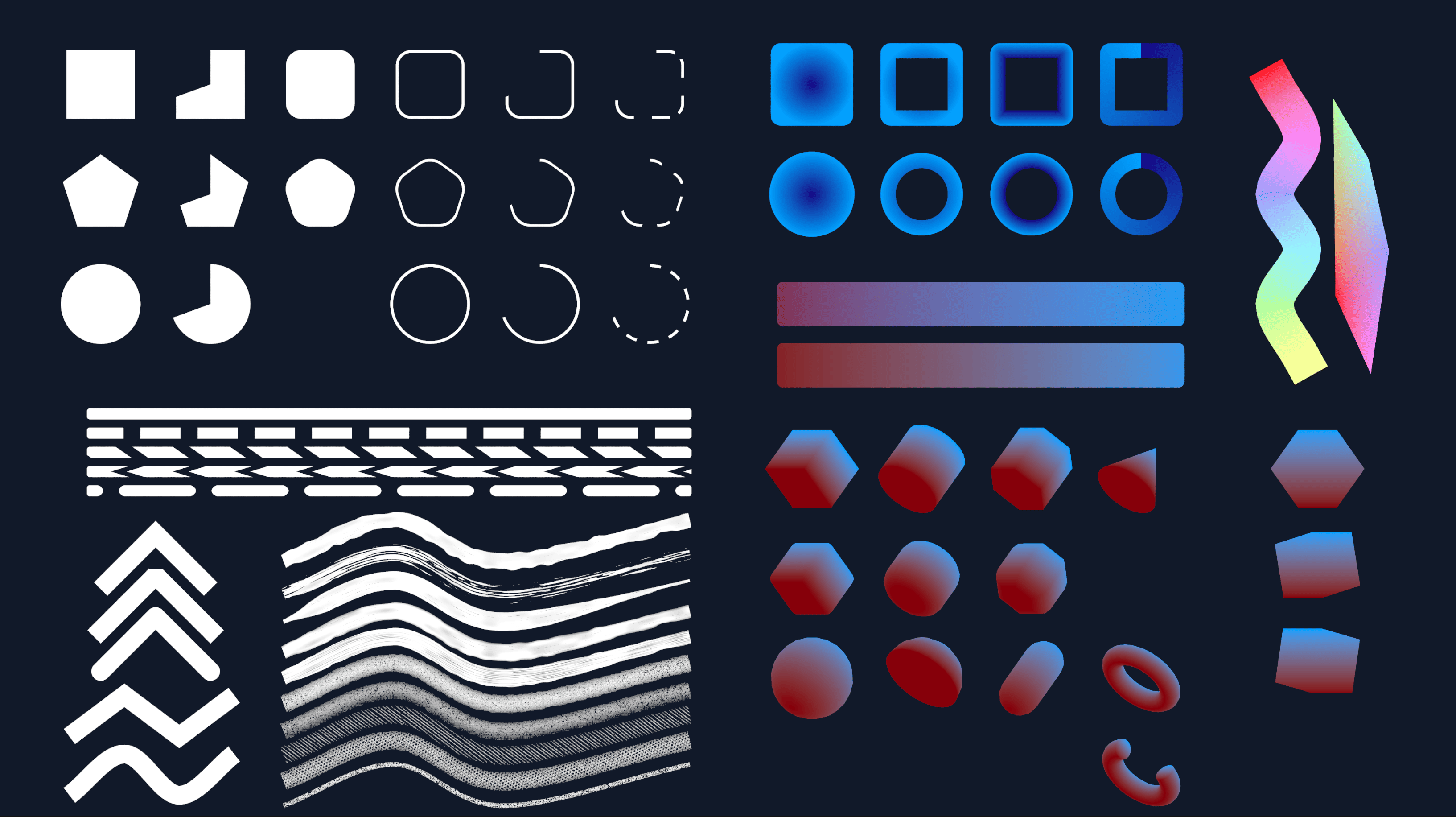 Mold lets you make crisp shapes in Godot and Unity. DK Liao built it while trying to render hundreds of tiny pieces in his own game.
-
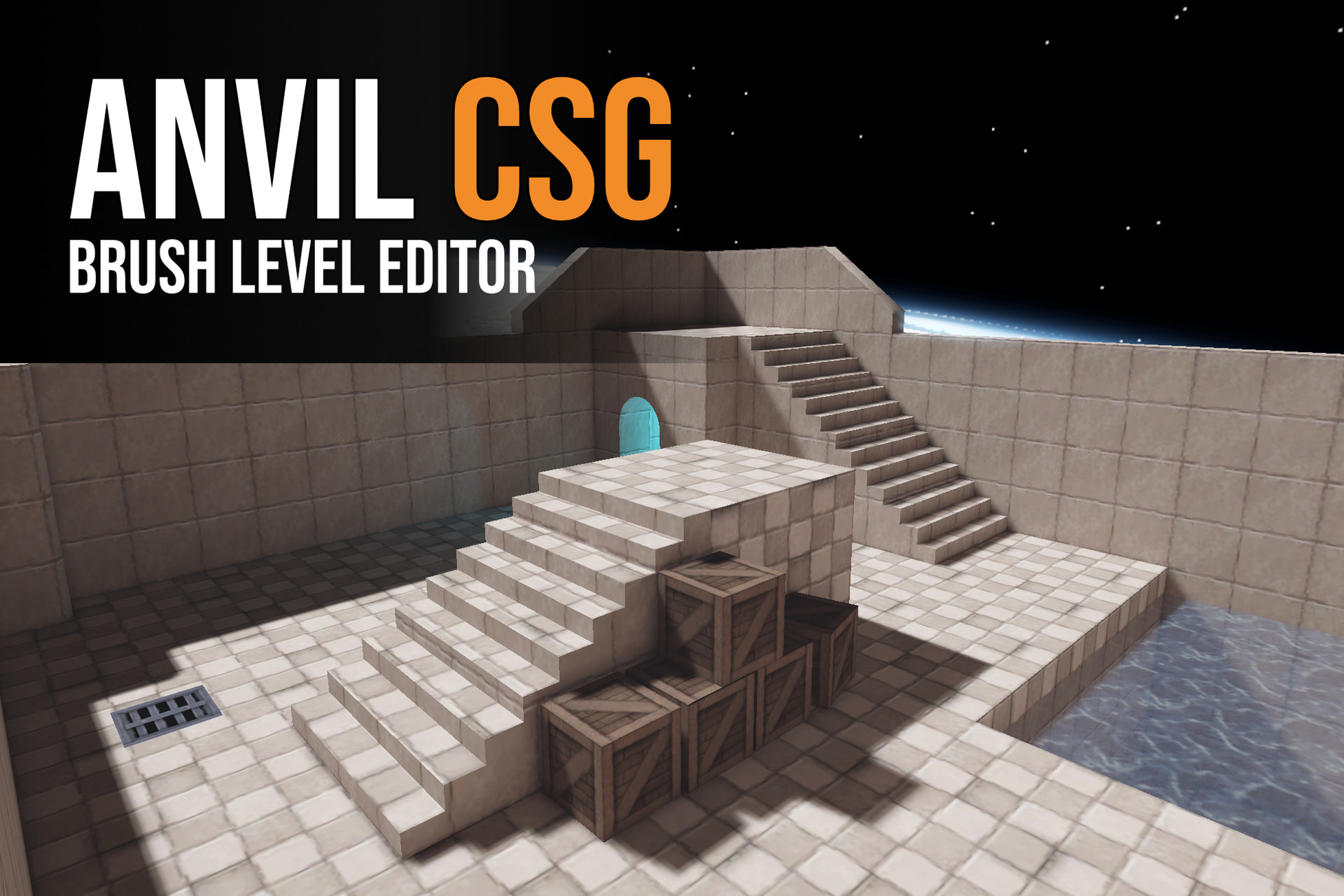 Anvil CSG lets you shape levels in a four-view editor and build them into Unity maps. Simun Dev shares how feedback from beta testers helped the tool grow.
-
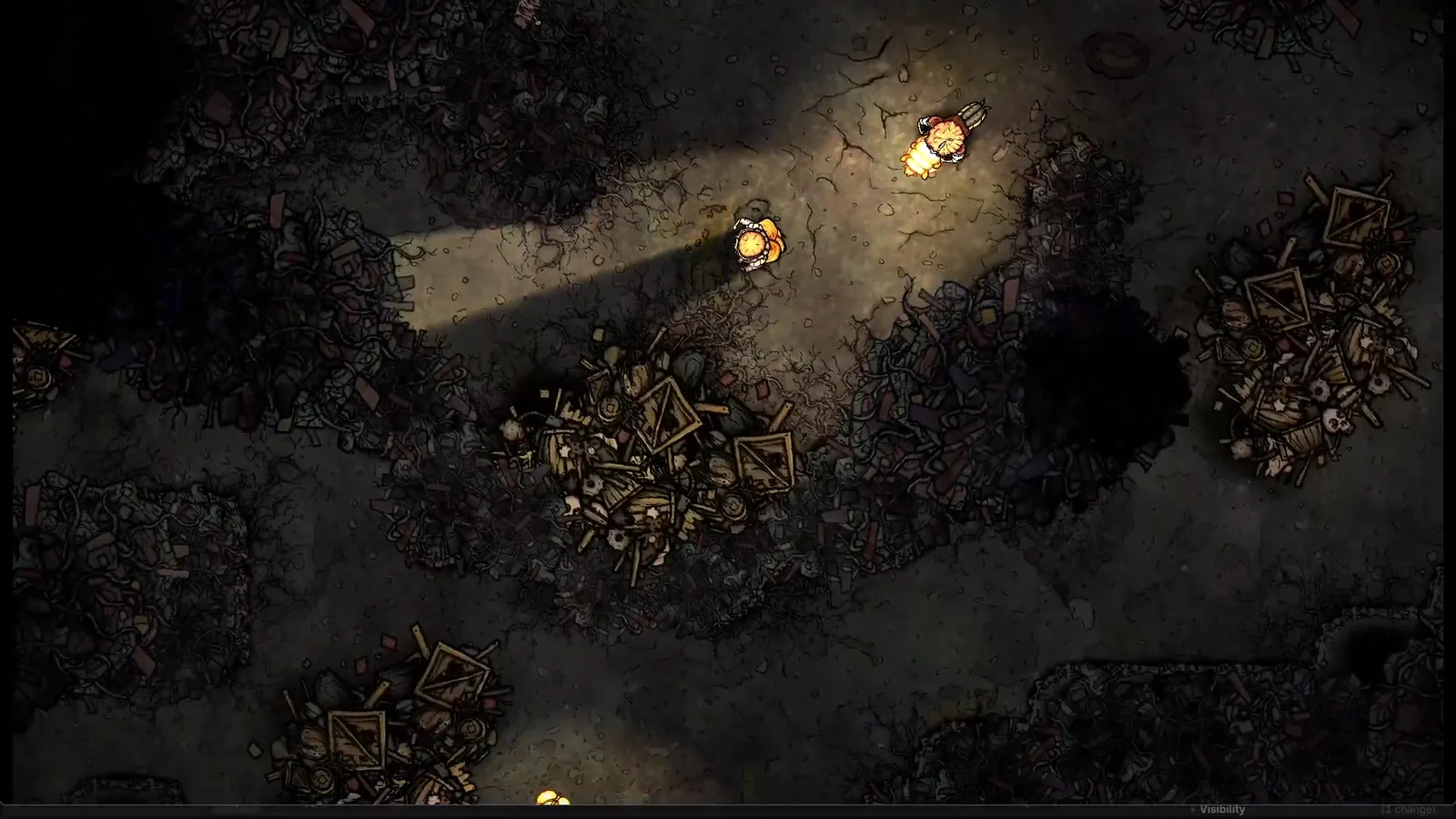 Silk & Sorrow's trees and trash piles seem to have height, but they are made from sprites. Florian Heynen of Snowberry Games made the effect by stacking, moving and lighting those layers in Godot.
