
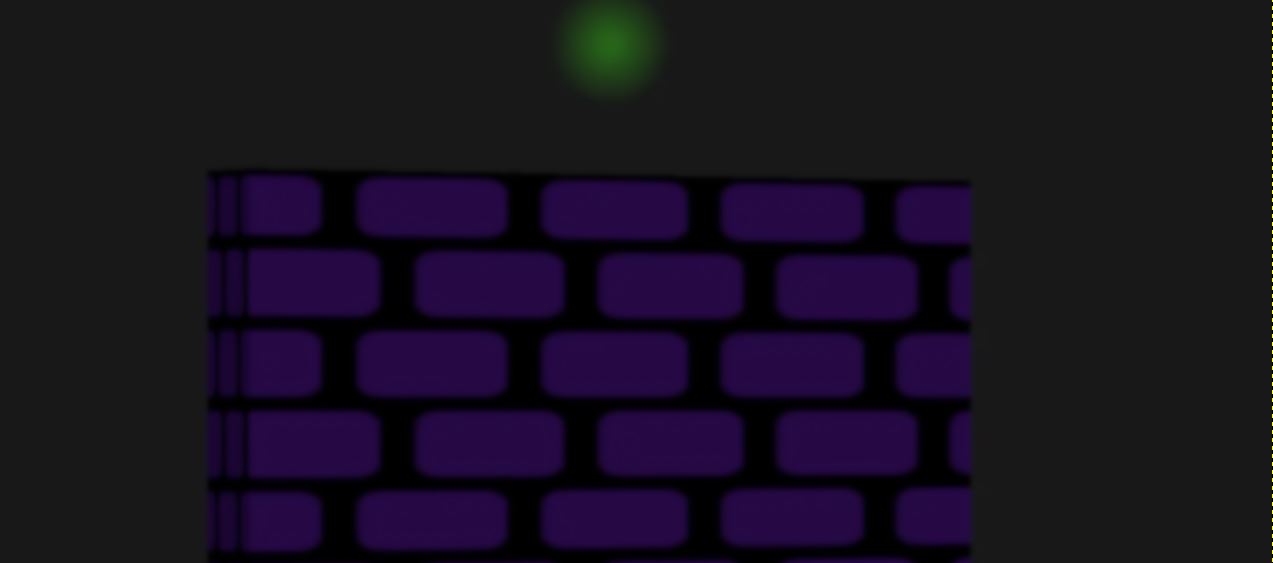
While working on first-person point-and-click games, BunkWire2X8 wanted to animate perspective changes on 2D textures.
A four-point Polygon2D produced a diagonal seam, so they switched to shader-based UV warping and later developed Perspective Quads to make the approach easier to edit and reuse.
The addon builds on Viiragon’s homography shader, adapted from work by Haritha Thilakarathne and Florian Segginger. An inverse perspective matrix, calculated from the four corners, maps positions in the warped quad back to the texture’s original UVs.
Its PerspectiveQuad2D node extends Node2D and draws the texture directly. A custom bounding box accounts for the warped shape, keeping visible areas from being culled using the original texture bounds.
The node also supports AtlasTexture, color modulation and optional edge antialiasing.
To prevent accidental material sharing when quads are duplicated, the material property stays read-only and is not saved with the scene. Custom shaders use material_override, with a unique ShaderMaterial based on the addon’s shader and Local to Scene enabled.
To animate between views, PerspectiveQuadShape stores four corners and a modulation color. These can blend along one axis or across a 2D grid. Matrices and bounds are cached and recalculated when the corners change.
When multiple quads need to respond together, Carousel2D broadcasts one view_position between 0 and 1. Connected quads use it to drive their blending, with an optional second carousel controlling the other axis.
Labels and other nodes can move with the scene through CarouselAnchor2D, which interpolates keyframed transforms using the carousel’s value.
The same mapping keeps warped interfaces interactive. PerspectiveViewportContainer2D displays a child SubViewport, converts pointer positions back to the original plane and forwards input to its controls. The local_to_plane_uv() helper exposes this conversion for custom nodes.
Each SubViewport also needs its own render pass, so using several warped interfaces adds rendering work.
- GitHub: Perspective Quads
- Godot Asset Store: Perspective Quads
Want to learn Godot VFX and shaders?
We just released our new Godot All About VFX Bundle, it covers shaders, particles, and VFX for 2D, UI, and 3D games with step-by-step examples. Over 600 pages of content. ✨
We now have a new bundle: Godot: All About VFX! ✨
— Shaders Bible Series (@ushadersbible) September 21, 2026
It includes the Complete Godot VFX Handbook and the Godot Shaders Bible! ➡️ https://t.co/aBEtLP7VPP#indiedev #godot pic.twitter.com/7STucAvnN3
Jettelly wishes you success in your professional career!
Did you find an error? No worries!
Write to us at [email protected], and we'll fix it!
Level up your Shaders & VFX in Godot!
We invite you to explore "The Godot All About VFX Bundle", a comprehensive bundle on the concepts and fundamentals seen in this post.
Other posts that might interest you.
-
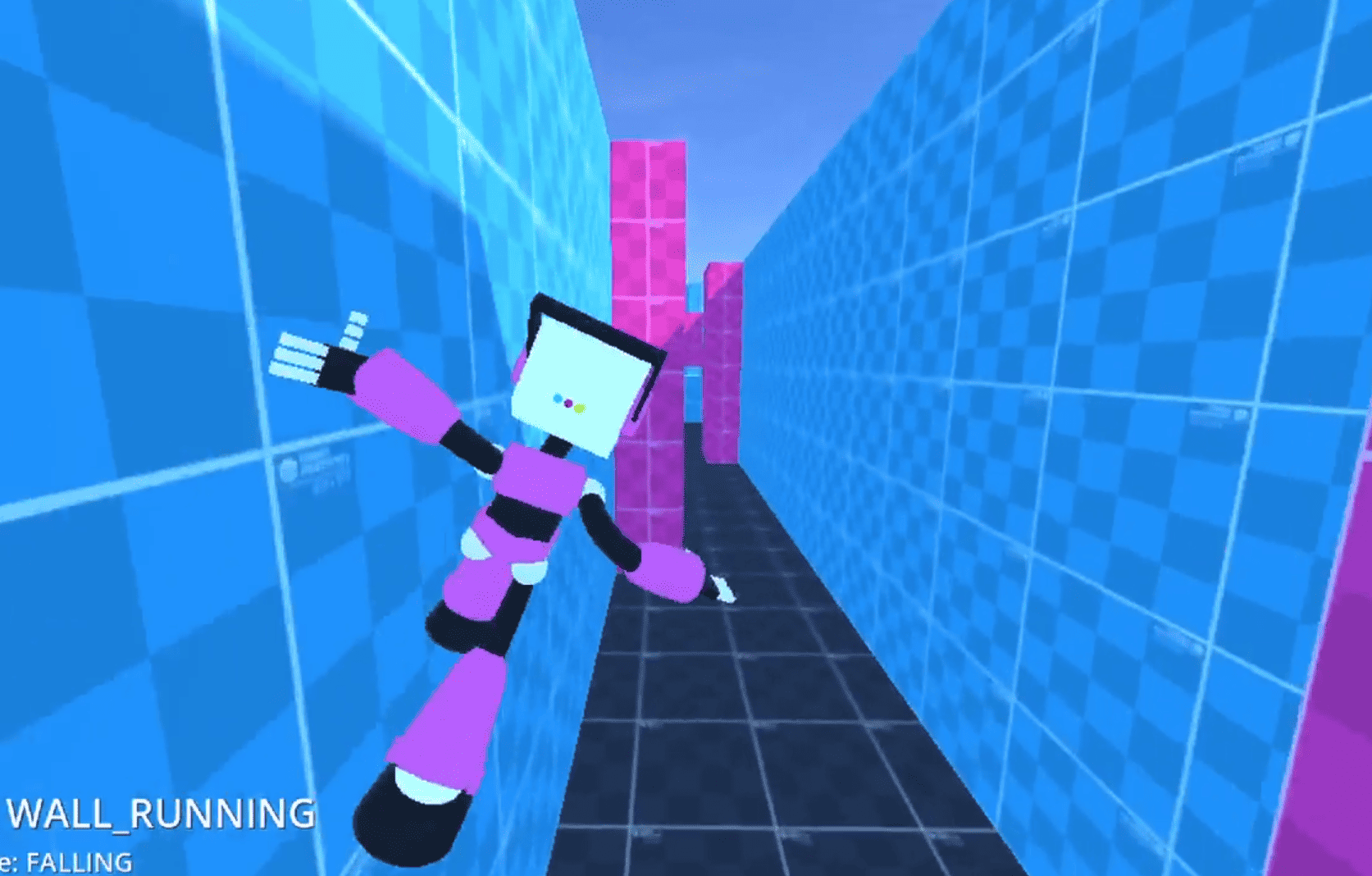 Niki explains the wall running and jumping in her early Godot prototype, and why she moved the controller to a state machine.
 -
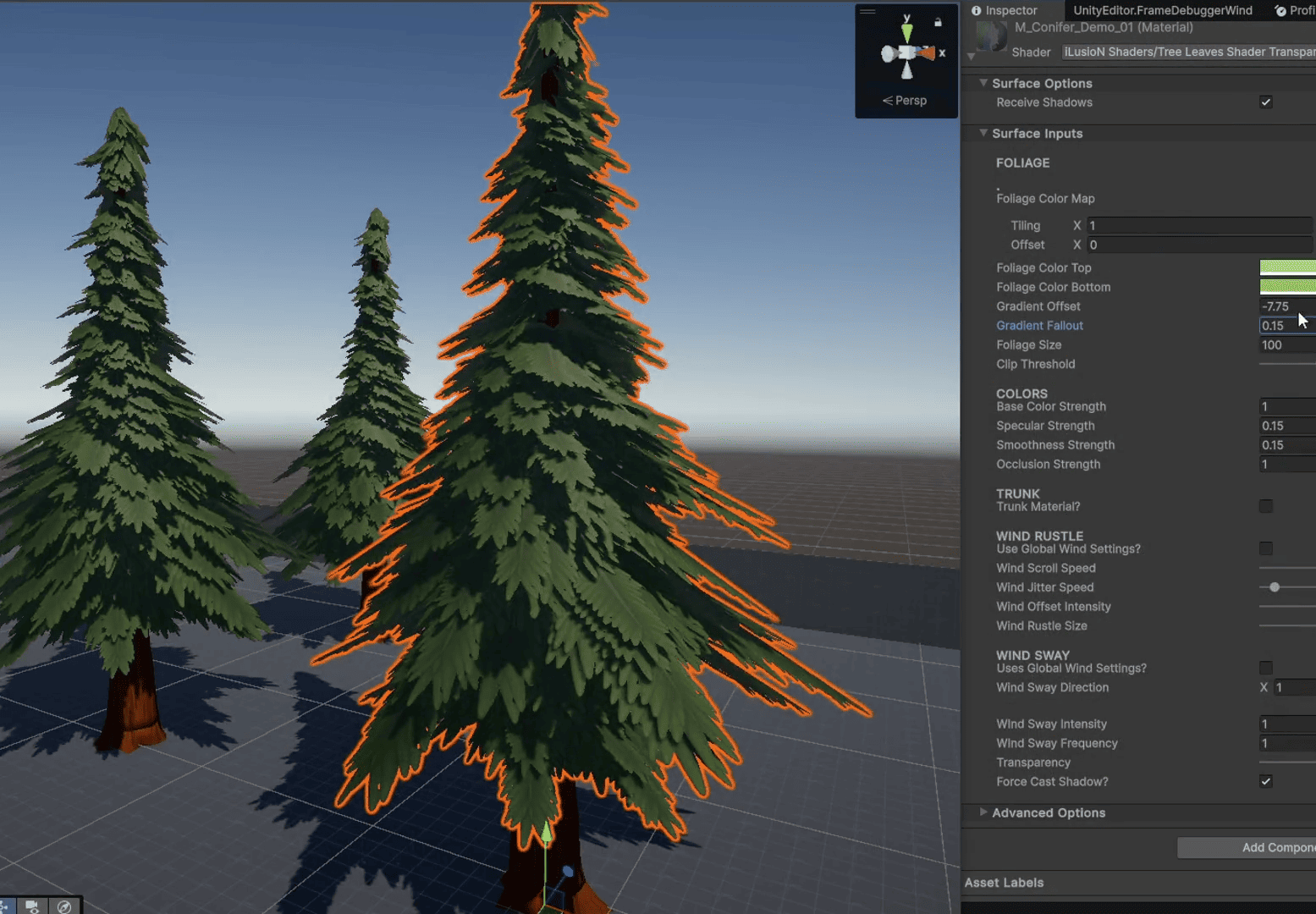 ilusionbrx shares the camera controller built for their own games and explains how it handles transparency inside buildings.
 -
 Anastasiia shares why she built Kaleidos for Emerald Ferns and how it exports procedural patterns as images, videos and shader code.
