
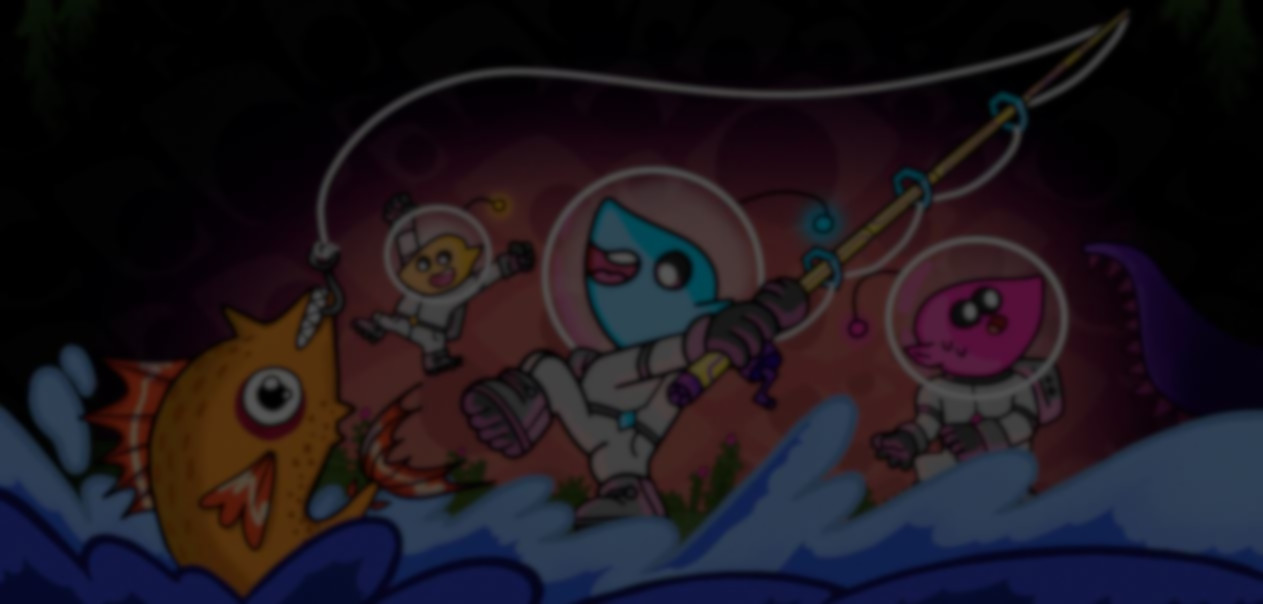
Moon Egg Studios saw clips of a ball sinking into a 3D pillow and decided to try the idea in 2D. In Castronauts, their co-op game about catching alien fish on dangerous planets, the crew can land on a mattress that gives way beneath them.
We added cushion-deforming physics into our game since people like squishy stuff recently.
by u/MoonEggStudios in godot
The team made a custom node called SoftCushion in Godot 4.6. It treats the 30 × 8 pixel mattress as a row of springs placed at the edges of its pixel columns. Each spring moves only up or down.
When a player lands, the columns beneath them sink. They stand on an invisible, one-way platform that lowers with the springs, so their feet sink too. Once they jump away, the compressed columns slowly return to their original shape.
Once a column compresses more than 1.4 pixels, a U-shaped outline appears around the dent. The outline takes its color from the bottom pixel of each column, tucked behind the bedframe so the pillow and blanket can keep their own colors.
Furniture in Castronauts is normally drawn behind the characters, so the mattress cannot hide their feet on its own. SoftCushion draws a second copy in front of the player while they stand on it. Their platform sinks 3 pixels for a 2-pixel dent, letting that copy cover the bottom row of their feet. It disappears when they jump off.
The springs only update while the mattress is pressed or returning to shape. Once they settle, SoftCushion checks player positions. When the crew is away exploring planets, it stops running.
In co-op, each player's game runs SoftCushion locally, so the effect needs no extra network packets.
You can follow Castronauts and Moon Egg Studios here:
- Steam: Castronauts
- Bluesky: Moon Egg Studios
Interested in Godot VFX?
We just released our new Godot All About VFX Bundle, it covers shaders, particles, and VFX for 2D, UI, and 3D games with step-by-step examples in over 600 pages of content! ✨
Have you tried simulating a 3D planet using Sprite2D in Godot? No worries, we’ll cover it in the next update to the Complete Godot VFX Handbook! #godot
— Shaders Bible Series (@ushadersbible) September 29, 2026
The book ➡️ https://t.co/ffEKie2qmB pic.twitter.com/pyxrZKI86o
Jettelly wishes you success in your professional career!
Did you find an error? No worries!
Write to us at [email protected], and we'll fix it!

Level up your Shaders & VFX in Godot!
We invite you to explore "The Godot All About VFX Bundle", a comprehensive bundle on the concepts and fundamentals seen in this post.
Other posts that might interest you.
-
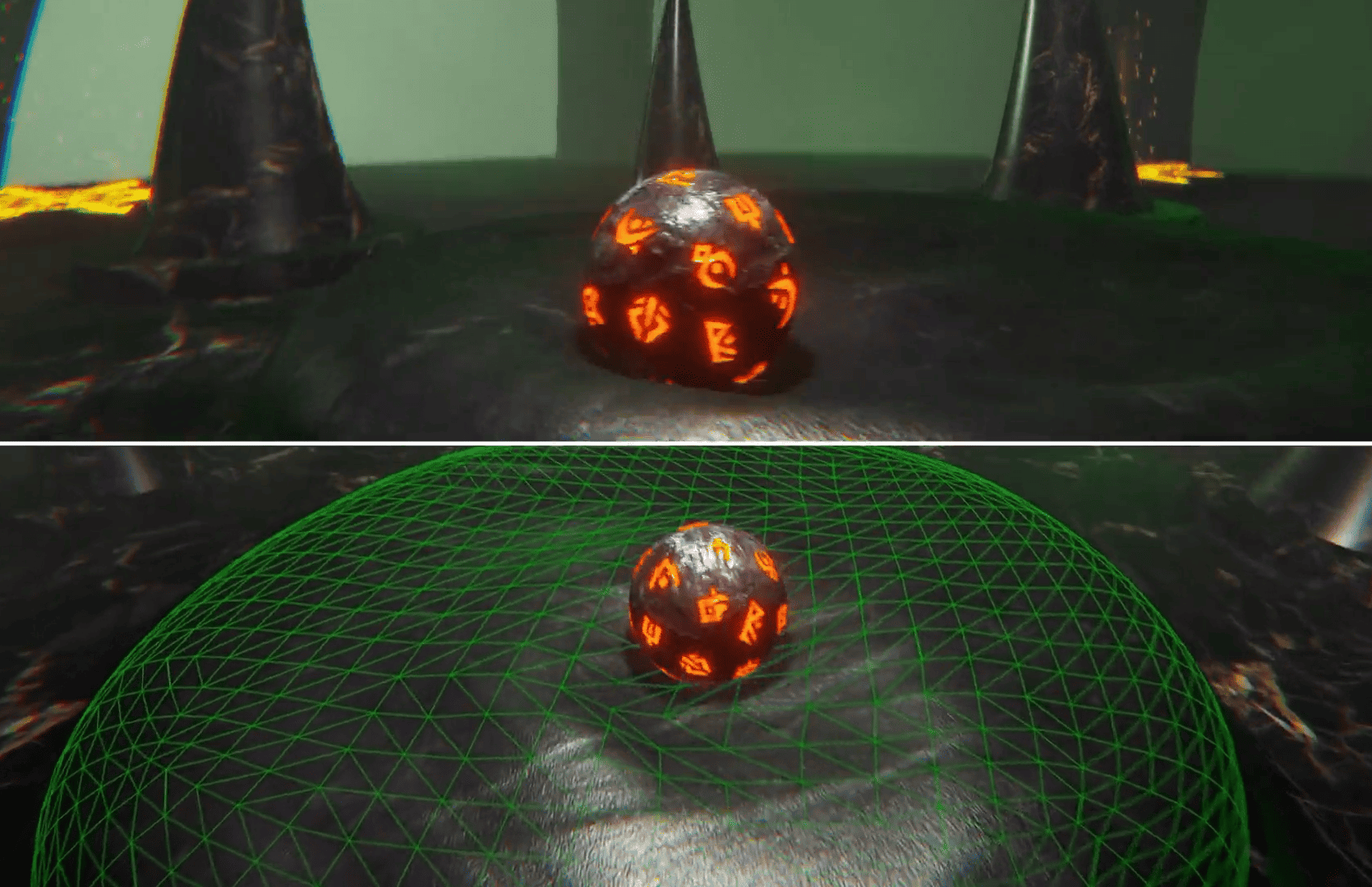 Paweł Zając explains how he made Dark Roll 2's pillow deform on contact and reused the effect for sludge that slows the player down.
 -
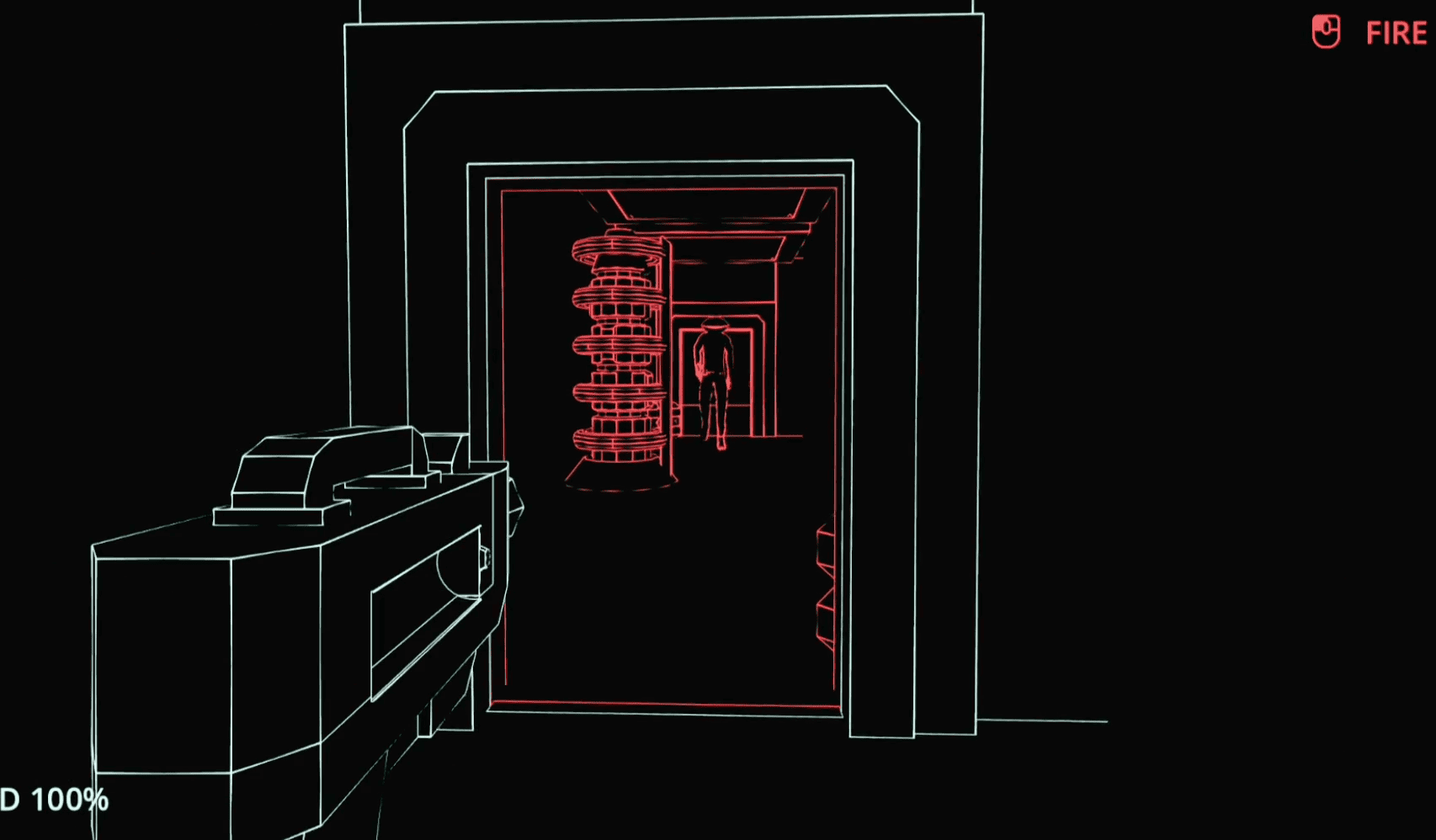 In Impermanence, rooms change when you look away. Liam Flannery shares how he and John Salvaris built the mechanic for their Godot horror game.
 -
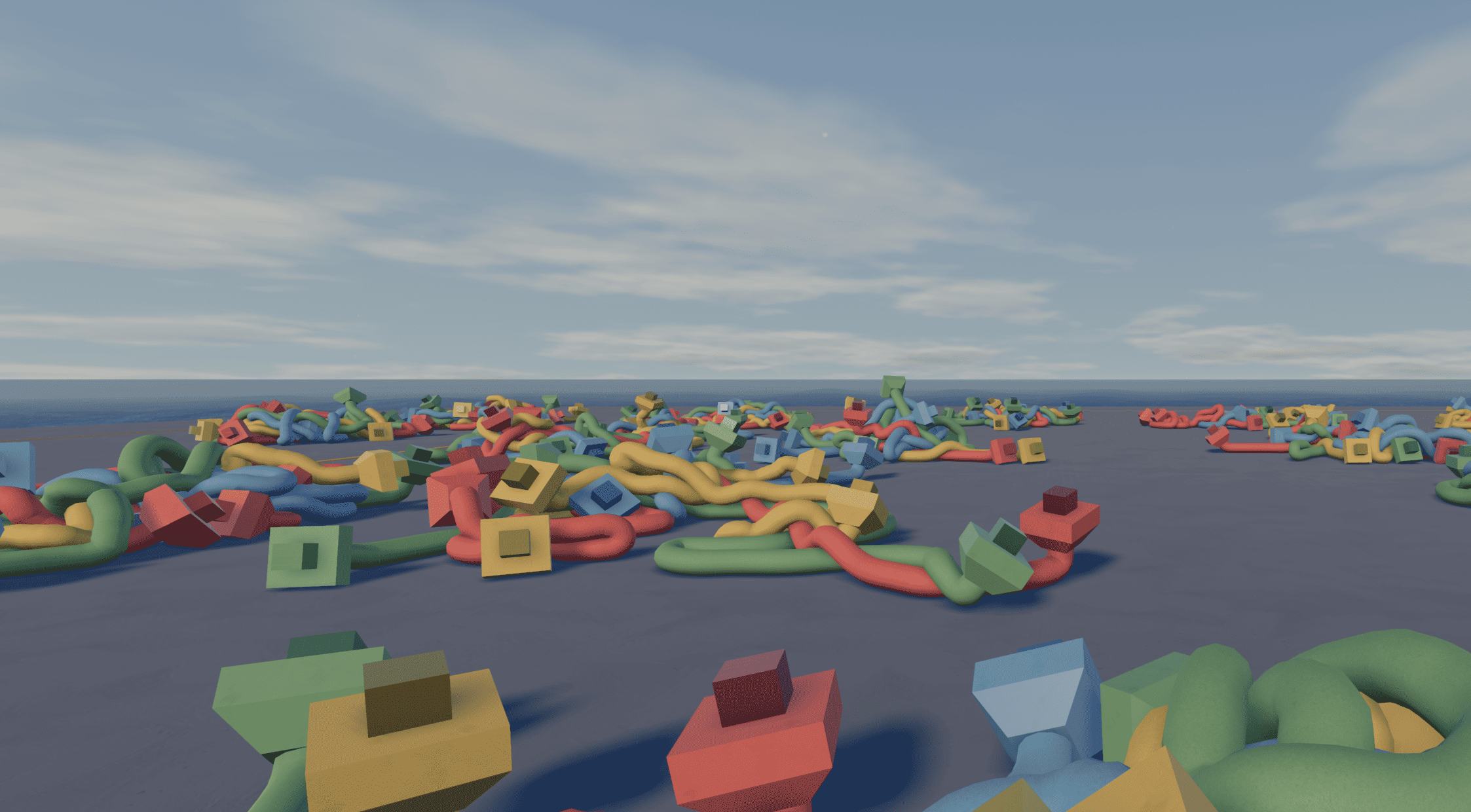 A cable in Knode can snag on a ledge, form a knot or slip back down after a long climb. Developer Denis shares how the simulation makes those puzzles work.
